





















THIRUVANANTHAPURAM: Heavy pollution from industries in Greater Kochi enters the water, which then enters fish and shellfish, making them dangerous to eat as they contain harmful metals, says a new study.
The study by the Department of Marine Technology, Cochin University for Science and Technology (CUSAT), and the National Center for Coastal Research, NIOT Campus, Chennai, revealed heavy metal contamination in several species of fish and crustaceans in the Cochin Estuarine System (CES) in the backwaters from Aroor in the Ernakulam-Alappuzha border to Eloor, the industrial belt of Kochi.
The report published in the international scientific journal ‘Springer’ said at least three metals—zinc, cadmium, and chromium—exceed the toxicity threshold set out in the sediment quality guidelines, and cadmium and lead exceeded the standards of the Food Safety and Standards Authority of India and the Food and Agriculture Organisation. The presence of cadmium in the muscle tissue of fish and crustaceans significantly increases the risk of cancer in humans.
All the dissolved metals in Kochi’s backwaters showed higher concentrations compared to all other estuaries in the world
Report
“The Carcinogen Risk Index indicates that cadmium may put consumers at chronic risk of cancer,” the report said.
All the dissolved metals in Kochi’s backwaters showed higher concentrations compared to all other estuaries in the world, the report said.
The residents of Ernakulam and Alappuzha districts, who are major consumers of the catch from inland waters, can now breathe easy as the study has revealed that the estimated daily intake is very low compared to the permissible intake limits, thus reducing the potential health hazard of most of these metals, which were found to be low.
But the study, titled ‘Bioaccumulation of heavy metals in seafood sources of the south-west coast of India: risk assessment for human health and the importance of seafood safety’, pointed out possible long-term risks, especially due to ingestion of metals such as cadmium and lead.
It urged the government to take immediate steps to prevent contamination of water resources in the backwaters of Cochin.
Water resources in Kochi, the commercial and industrial hub of Kerala, are facing increasing pressure from commercial and industrial activities, with about 95 per cent of red-category industries concentrated in Greater Kochi, located on the north side of the estuary.
In addition, pollutants from the adjacent Periyar River are exacerbating coastal water pollution, posing a threat to fish stocks and other marine life.
According to a 2003 study by the NGO ‘Greenpeace’, the lower Periyar has been described as a cesspool of toxins with alarming levels of heavy metal pollution.
According to the report, several studies have underlined the severity of heavy metal pollution in the water and sediment of this area.
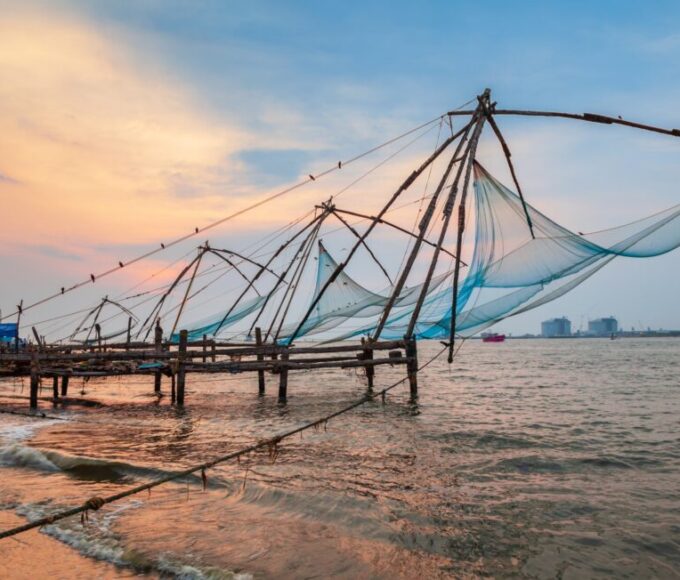
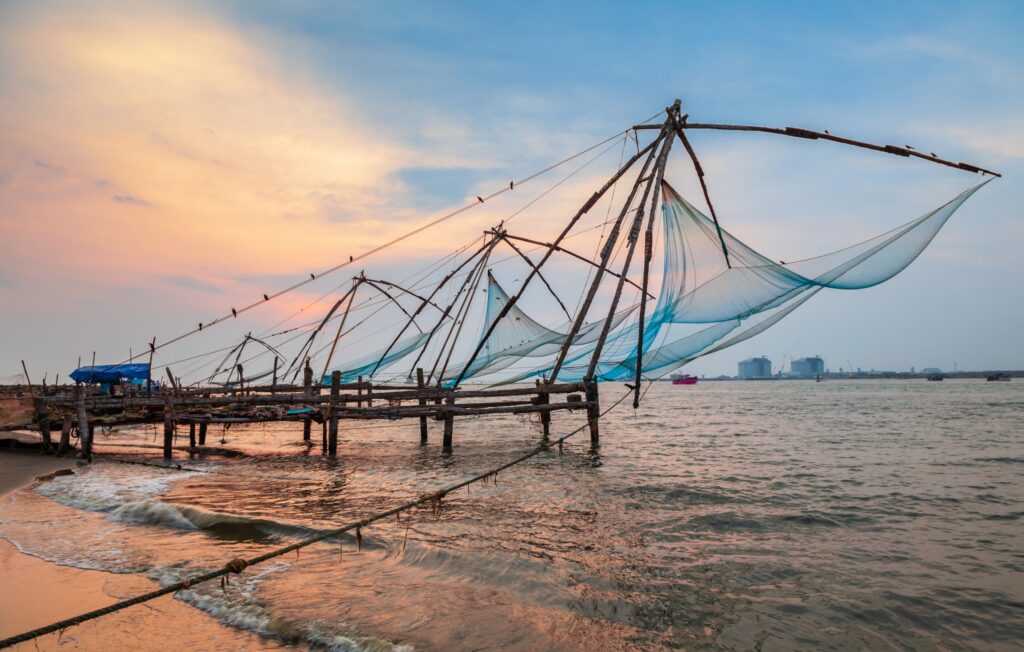
The Cochin estuarine system stands out as one of the largest estuarine systems, sustaining exceptional biodiversity and acting as a crucial breeding and nursery habitat for several fish and crustacean species. It forms the northern part of the Vembanad estuary, designated as a Ramsar site in India, with an annual fish landing of 3,906.33 tonnes.
Fishing has been an essential source of livelihood for residents along the estuary. But the contamination of water resources in the area poses a greater health risk to people as the bioaccumulation of heavy metals in fish has almost reached its threshold level.
“The health risk index indicates that consumers are close to experiencing the synergistic effects of heavy metals, and the most influential heavy metal during the risk assessment was cadmium,” Neethu Xavier, the lead author of the paper, told PTI.
She said the study recommended a regular monitoring program for all heavy metals in a wider range of fish species within the study region. According to the study, the heavy metal zinc is the most consumed, followed by copper, magnesium, nickel, chromium, lead, and cadmium in fish and shellfish. For the analysis, the study has used all the study material from the commercial fishing catch in the area, which represents indigenous edible species with high consumer demand in Kerala.
The study, which divided the Cochin estuarine system into three zones, found that the northern zone has the highest metal accumulation compared to the central and southern zones. This is consistent with previous findings of elevated metal concentrations in sediment and water on the north side of the estuary, the study said. The presence of heavy metals in fish tissues was higher during the pre-monsoon and post-monsoon periods. During the monsoon season, pollution was reduced.
During the monsoon season, significant rainfall and an increase in water flow reduced the metal concentration in inland waters and rivers, the study said. “The results indicate the need for regular monitoring and risk assessment of heavy metals, especially lead, cadmium, and chromium, in fish stocks in coastal areas to ensure food security,” Neethu said.
She said the study did not categorically talk about addressing the solution but broadly indicated the need for urgent action to contain the pollution of water resources in the Cochin estuarine system and reduce heavy metal contamination of fish and shellfish.








Leave a comment